Advanced unmanned aircraft wing section formed from carbon macrostructure composite

Darwin Carbon · Aerospace & Defense

Carbon Macrostructures for Aerospace & Defense

StructuralConductiveHeatedShielded

Darwin Carbon develops lightweight multifunctional carbon materials for aircraft, autonomous systems, spacecraft and defense platforms — combining functions that are conventionally delivered by separate materials and subsystems.

One material platform

One material platform. Multiple aerospace functions.

Conventional systems add a separate material, layer or subsystem for each function. Carbon macrostructures create the possibility of designing several of these functions directly into a single lightweight architecture.

Layered carbon composite wing cross-section with integrated continuous carbon plies
Integrated architectureEMI Shielding

Conductive carbon skins attenuate electromagnetic interference at a fraction of the mass of metal shielding.

Not every application performs every function simultaneously. The engineering question is which combination is worth integrating for a given platform.

Applications

Where multifunctional carbon earns its place

Application areas where low mass and integrated function change the engineering trade — presented as representative reference points, not universal specifications.

EMI / EMC Shielding01 / Electromagnetic

EMI / EMC Shielding

Demonstrated

Ultra-light conductive shielding for avionics, electronics, enclosures, UAVs and spacecraft where every gram of shielding mass is contested.

  • Avionics and electronics enclosures
  • UAV and spacecraft weight-sensitive systems
  • Conformal shielding on complex geometry

~40–50 dB

at ~15 gsm, above 200 MHz

~60 dB

with two layers
Electrothermal Heating & De-Icing02 / Electrothermal

Electrothermal Heating & De-Icing

Demonstrated

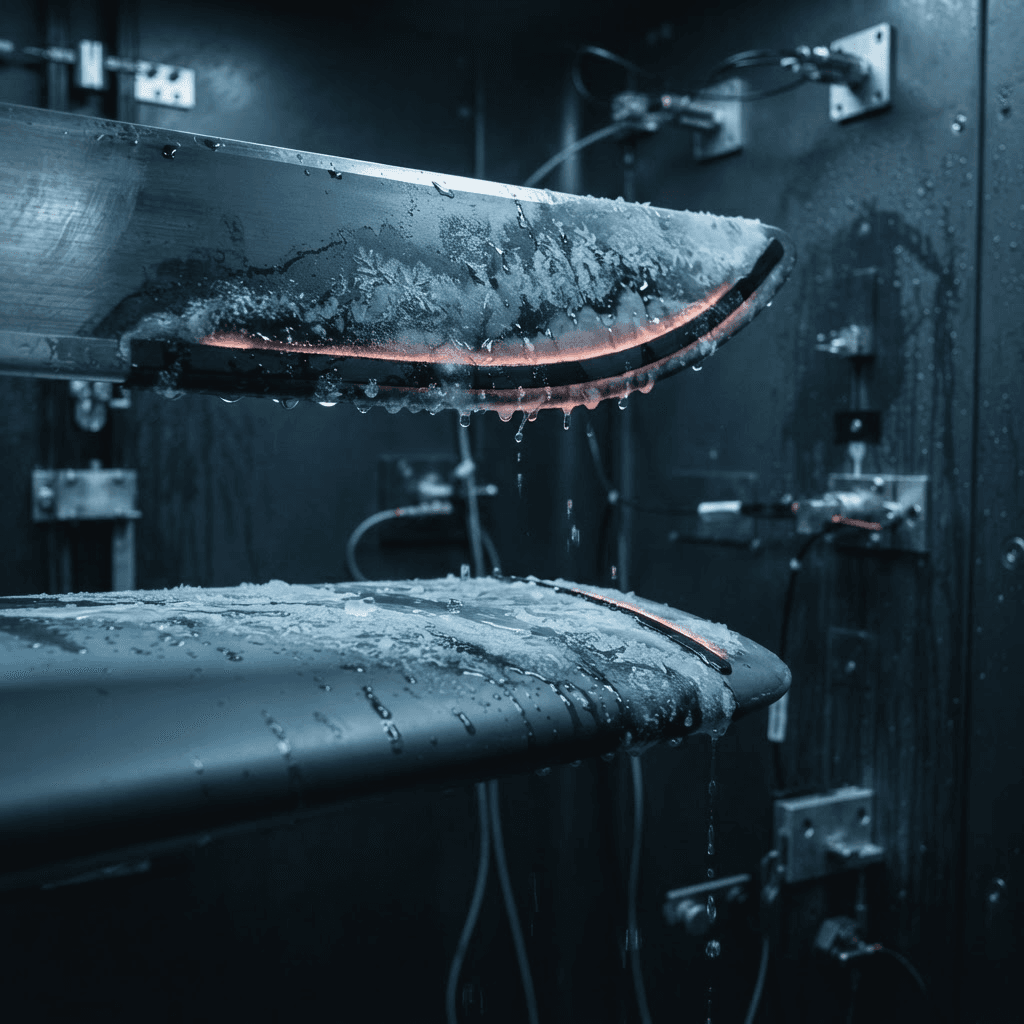
Carbon macrostructures act directly as distributed resistive heaters, integrating ice protection into the structure rather than bonding on a separate system.

  • Rotor blades, wings and leading edges
  • Engine and air ducts, UAV structures
  • Sensors, battery systems, fluid lines

~10 W/in²

demonstrated heating flux

−25 °C · 71 m/s

de-icing demonstration conditions

Structural Reinforcement03 / Structural

Structural Reinforcement

Demonstrated

Continuous carbon yarns and structural forms provide lightweight reinforcement and tension elements within composite and hybrid architectures.

  • CNT-enabled composites and structural members
  • Tension elements and hybrid architectures
  • Honeycomb and core concepts

up to 3.5 GPa

CNT yarn tensile strength

Space & High-Performance Electronics04 / Space

Space & High-Performance Electronics

Engineering potential

Extremely low areal mass combined with shielding, conductivity and thermal transport — with low or near-zero thermal expansion possibilities for stable spacecraft structures.

  • Satellites, payloads and avionics
  • Communications and spacecraft structures
  • Multifunctional low-mass panels
Autonomous Systems & UAVs05 / Autonomous

Autonomous Systems & UAVs

Engineering potential

Low mass and multifunctionality compound disproportionately in autonomous platforms, where subsystem mass directly trades against endurance and payload.

  • Shielding without conventional metal weight
  • Heated and de-iced flight surfaces
  • Conductive, reinforced, thermally active structures
Defense Systems06 / Defense

Defense Systems

Customer / program validation

Engineering value across electronic systems, EMI/EMC, lightweight structures and sensing — focused on material architecture rather than any specific program.

  • Electronic systems and EMI/EMC
  • Lightweight conductive composites
  • Sensing and survivability-related architectures

The mass argument

In aerospace, added mass compounds

A conventional design often delivers each function with its own material or subsystem. Integrating some of those functions into the material architecture reduces layers, interfaces and part count.

Traditional architecture

Multiple functional layers and components

  • Structure
  • Shielding layer
  • Heater element
  • Wiring / conductors
  • Sensors
  • Thermal solution

Each layer adds mass, interfaces, assembly steps and points of failure.

Multifunctional carbon architecture

Fewer layers, integrated functionality

  • Carbon macrostructure
  • Functions engineered into the architecture

The realized benefit depends on the application; weight reduction is architecture-specific and not claimed as a fixed figure.

Materials

One platform, several material forms

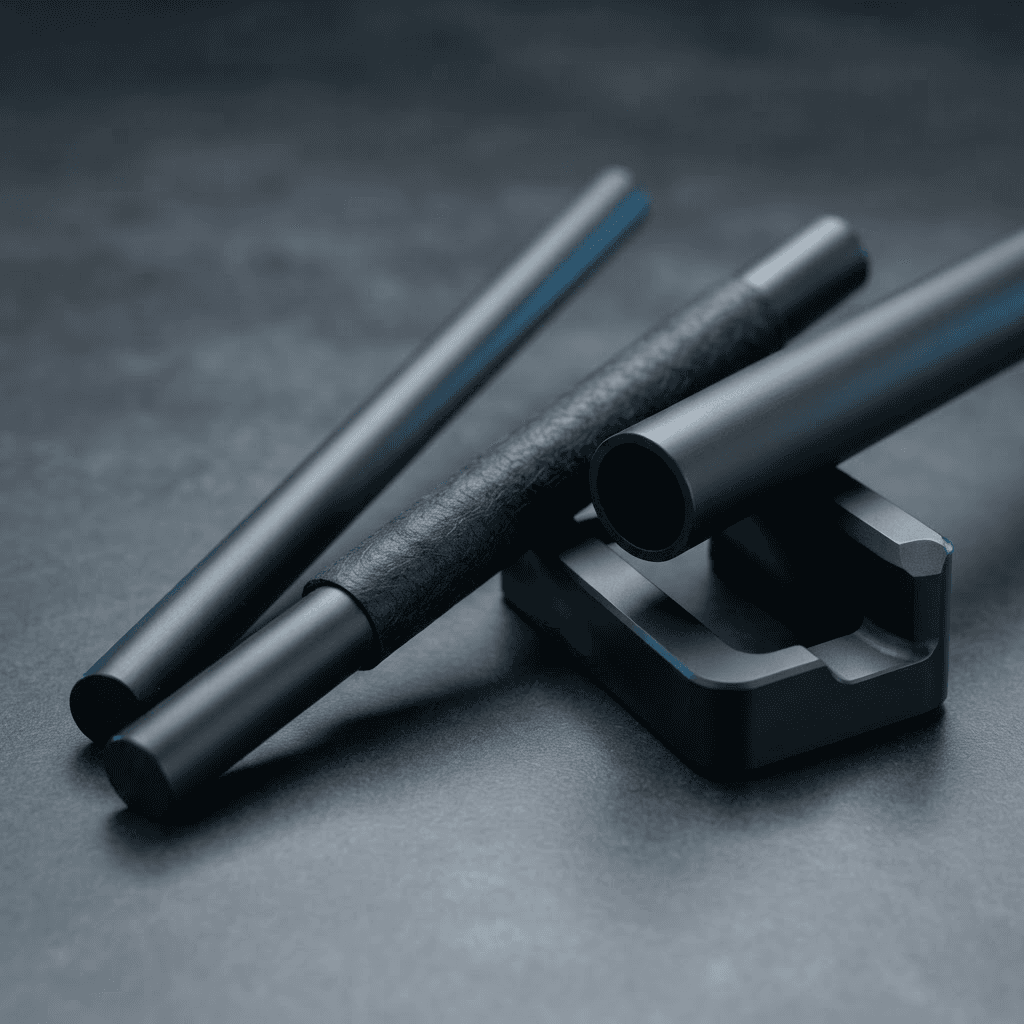
Darwin's carbon macrostructures are produced in forms that integrate into existing composite and structural architectures — rather than requiring a redesign around a finished component.

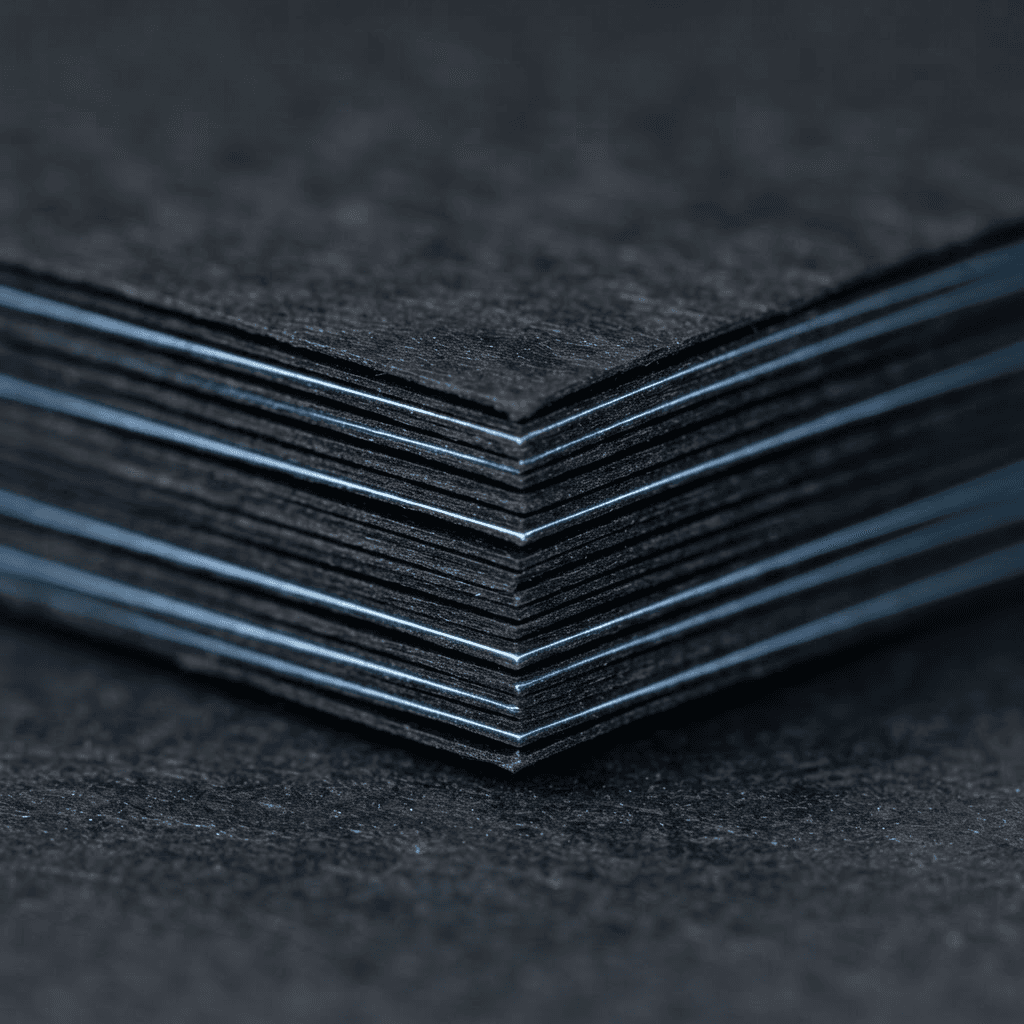
Darwin Carbon Sheet form

Sheet

Available

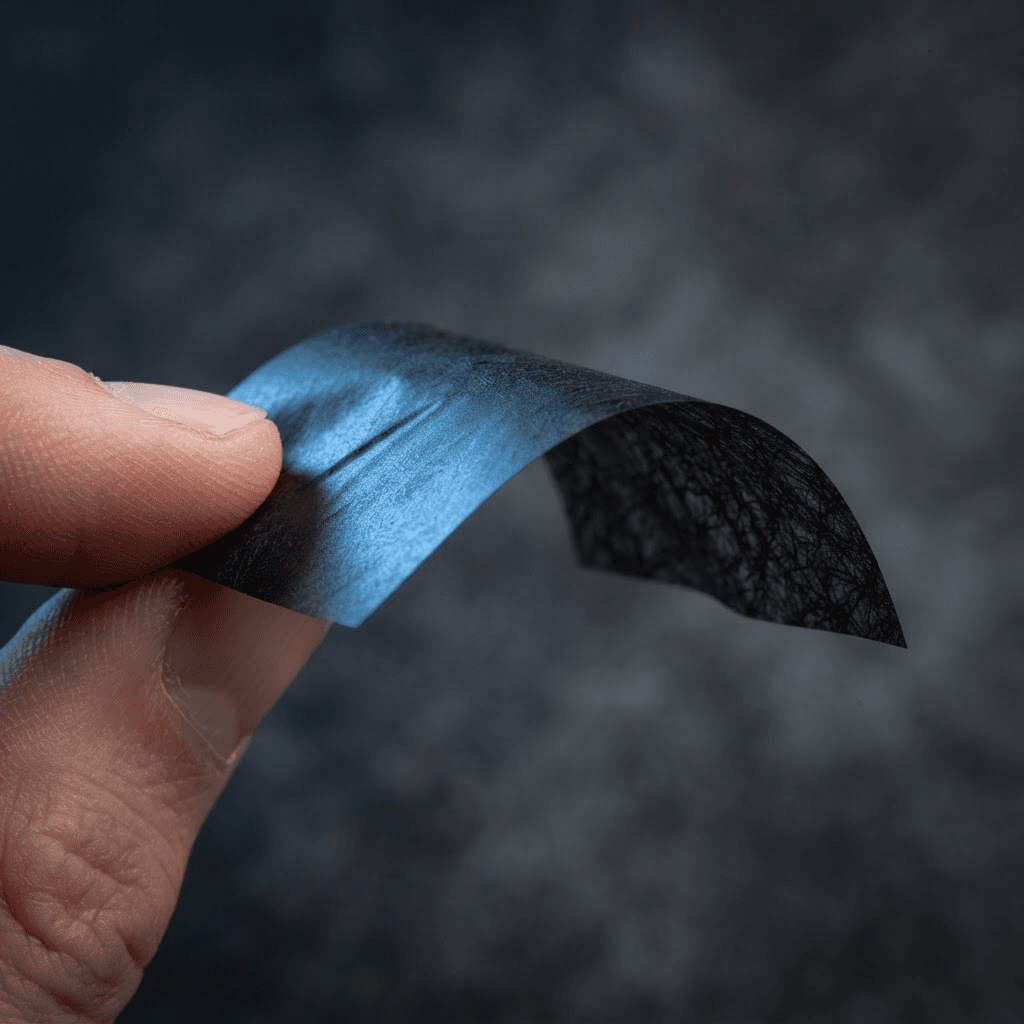
Thin, flexible conductive skins for shielding, heating and surface functionality.

Darwin Carbon Tape form

Tape

Available

Continuous narrow forms for localized reinforcement, heating and conduction paths.

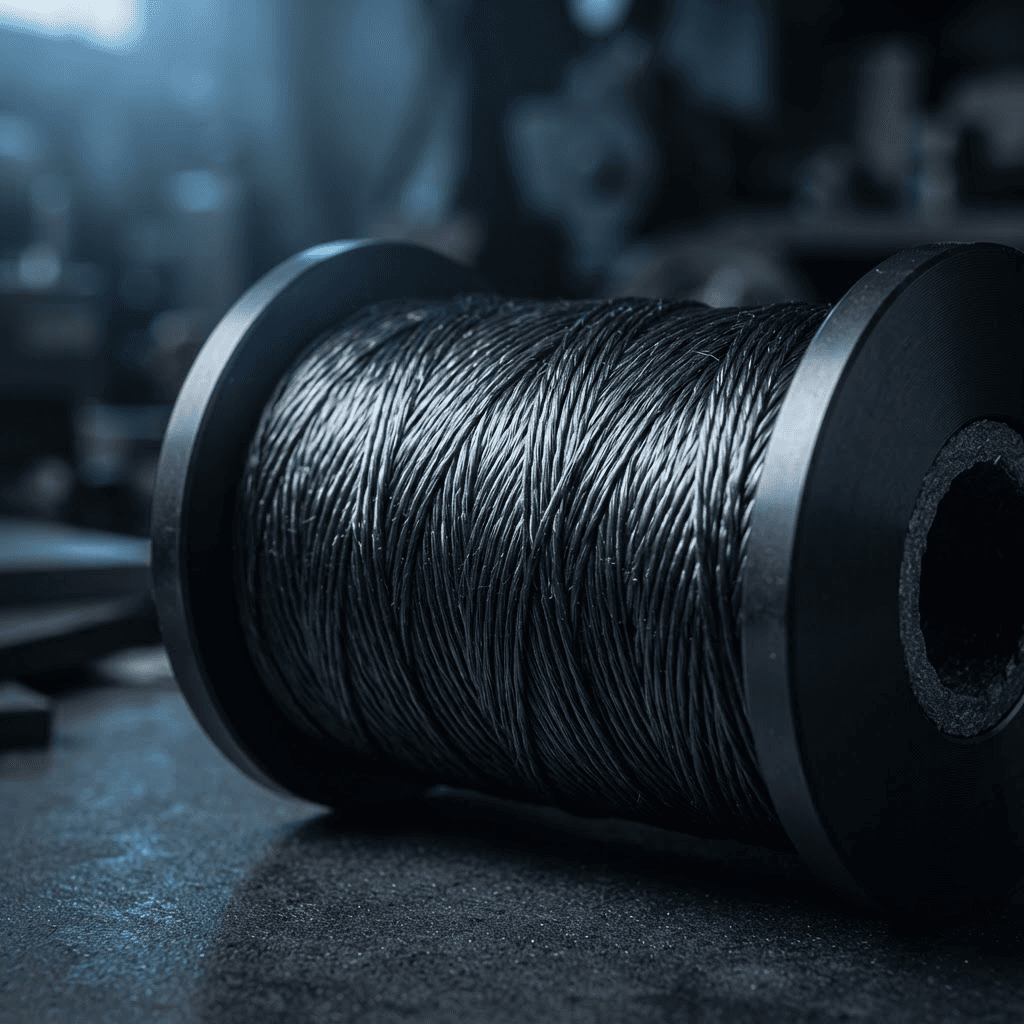
Darwin Carbon Yarn form

Yarn

Available

Continuous carbon yarns for reinforcement, tension elements and conductors.

Darwin Carbon CNT-Enabled Composites form

CNT-Enabled Composites

In development

CNT reinforcement integrated into composite members and hybrid architectures. Composite integration work — not a catalog of finished structural parts.

Expanded forms — including pulp and chopped material — are under development and are distinguished from currently available material.

Performance

Representative engineering performance

Reference values across material forms. Actual performance depends on material form, architecture, processing and application configuration — these are not universal specifications.

PropertyRepresentative performance
CNT yarn tensile strengthup to 3.5 GPa
CNT yarn axial thermal conductivityup to 120 W/m·K
Sheet thermal conductivity~20–40 W/m·K
EMI shielding~40–50 dB at ~15 gsm, >200 MHz
Two-layer EMI~60 dB
Resistive heatingDemonstrated ~10 W/in²
Thermal expansionNear-zero / potentially negative

Development

From material to aerospace system

A clear engineering pathway from a required function to a qualified application — structured to be straightforward for an engineering organization to engage with.

01

Application

What function or combination of functions is required?

02

Material Architecture

Sheet, tape, yarn or structural configuration.

03

Integration

Composite, structure, enclosure or component.

04

Testing

Electrical, thermal, mechanical and environmental validation.

05

Qualification

Customer and program-specific qualification pathway.

Ways to engage

Engagement models for organizations evaluating Darwin materials, from initial characterization through programs progressing toward production.

01

Material Evaluation

Samples and engineering characterization.

02

Application Development

Joint engineering and integration work.

03

NRE / Development Program

Application-specific engineering and validation.

04

Capacity Reservation

For programs progressing toward production.

Manufacturing

Continuous carbon, produced directly

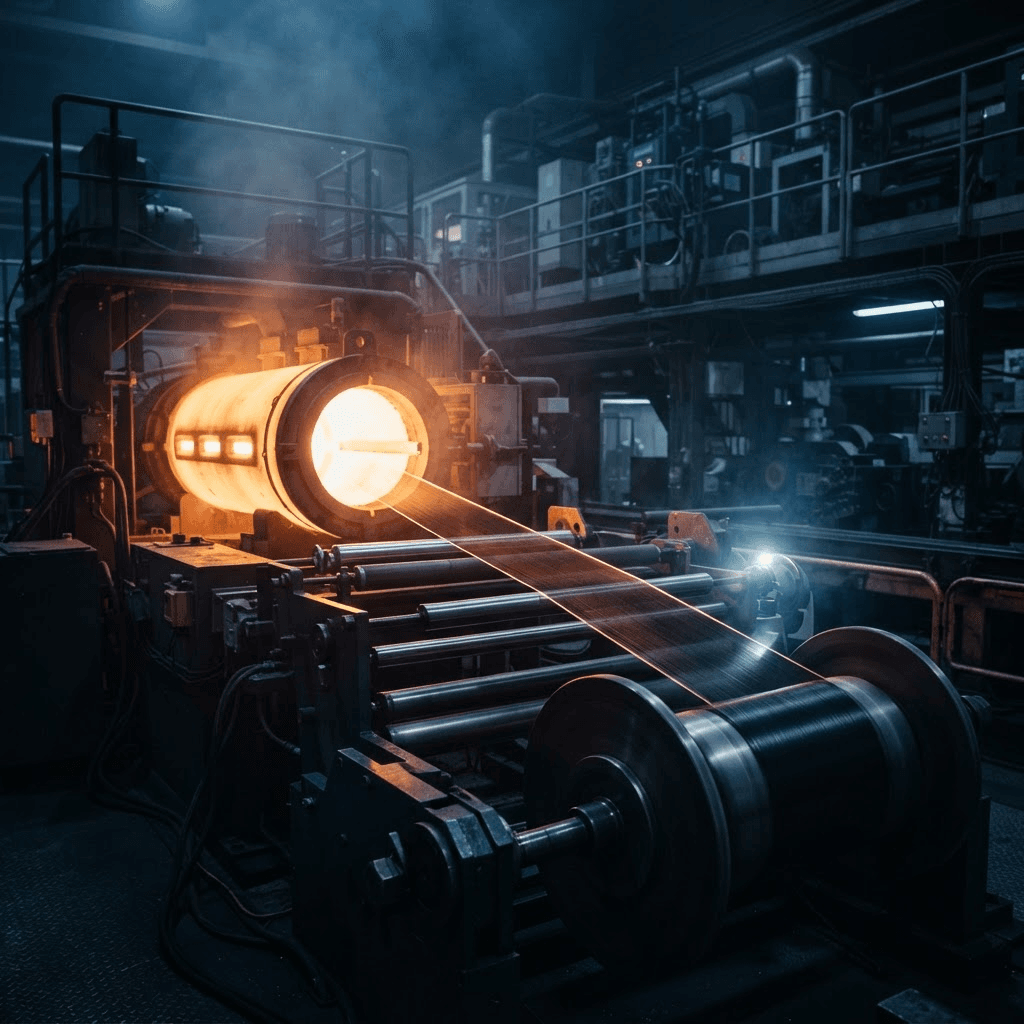
Darwin's FC-CVD process forms continuous carbon macrostructures directly, rather than assembling conventional discontinuous additives — producing multiple material forms from one scalable platform.

  • Continuous production of carbon macrostructures
  • Multiple material forms from one platform
  • Scalable manufacturing architecture
  • Material functionality engineered in-process
Continuous carbon macrostructure emerging from an FC-CVD reactor onto production rollers
FC-CVD continuous processProcess imagery — representative

Engage

What function are you trying to add — or what mass are you trying to remove?

We work with aerospace and defense engineering teams on specific applications — from material evaluation through program development.